
Understanding Spastic Cerebral Palsy: A Complete Guide

What is Cerebral Palsy?

Cerebral palsy (CP) is a group of permanent movement disorders that appear in early childhood, caused by abnormal development or damage to the parts of the brain that control movement, balance, and posture. It is the most common motor disability in childhood, affecting approximately 1 in 345 children globally. The term 'cerebral' refers to the brain, and 'palsy' refers to weakness or problems with using muscles. CP is non-progressive — the brain damage does not worsen over time, but the functional impact can change as the child grows.
Table of Contents
Types of Cerebral Palsy
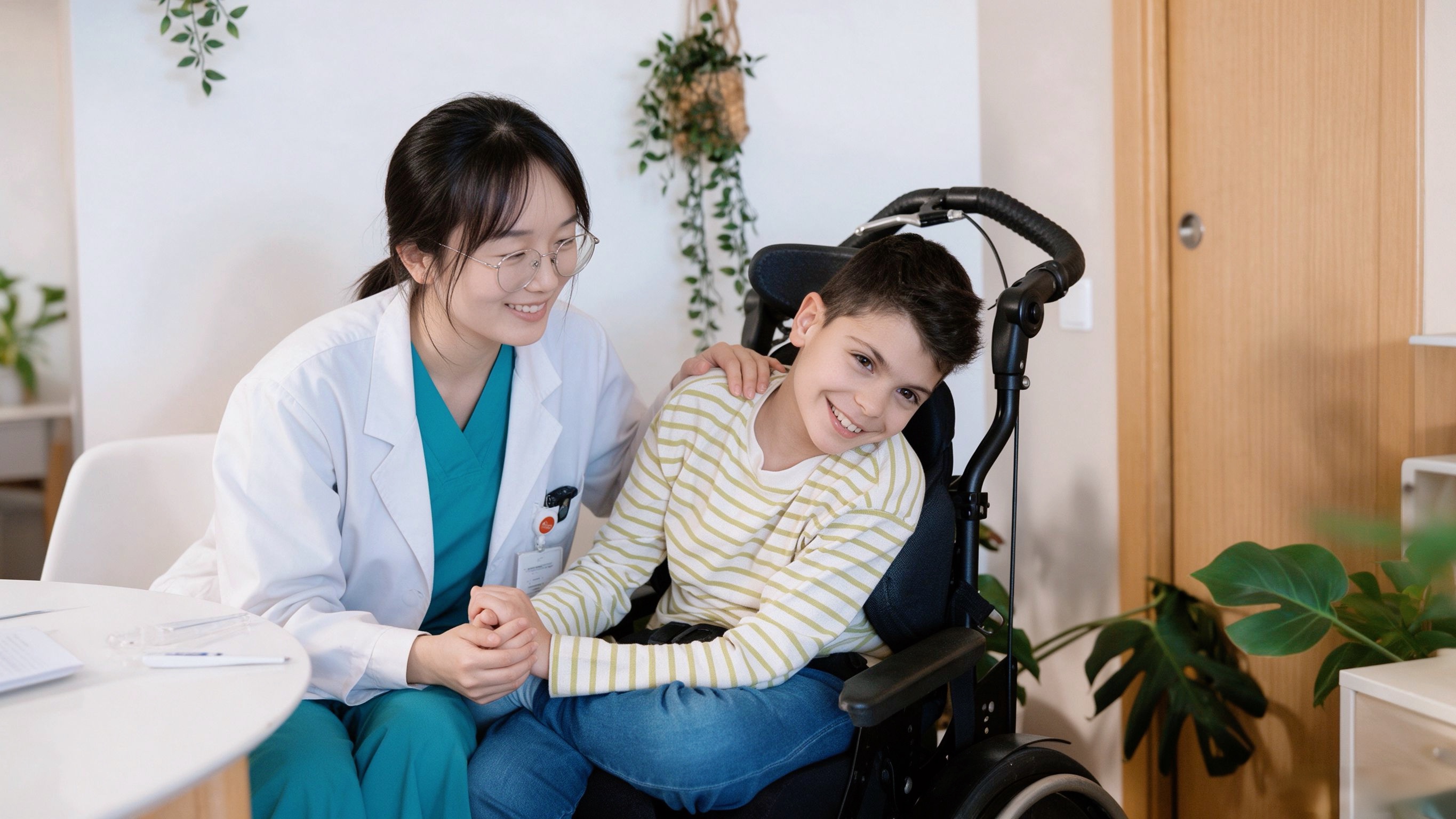
Cerebral palsy is classified by the type of movement disorder and the body parts affected. The four main types are spastic (most common), dyskinetic, ataxic, and mixed. Understanding your child's specific type is critical for determining the most appropriate treatment approach.
| Type | % of CP | Key Features | Best Treatment |
|---|---|---|---|
| Spastic | 70-80% | Increased muscle tone, stiffness, scissoring gait | FSPR, rehabilitation, orthotics, medications |
| Dyskinetic | 10-15% | Involuntary movements, variable muscle tone (dystonia, athetosis) | Medications, targeted botulinum toxin, therapy |
| Ataxic | 5-10% | Poor balance, coordination, intention tremor | Therapy, adaptive equipment |
| Mixed | ~10% | Combination of spastic and dyskinetic | Individualized approach |
Spastic Cerebral Palsy: The Most Common Type

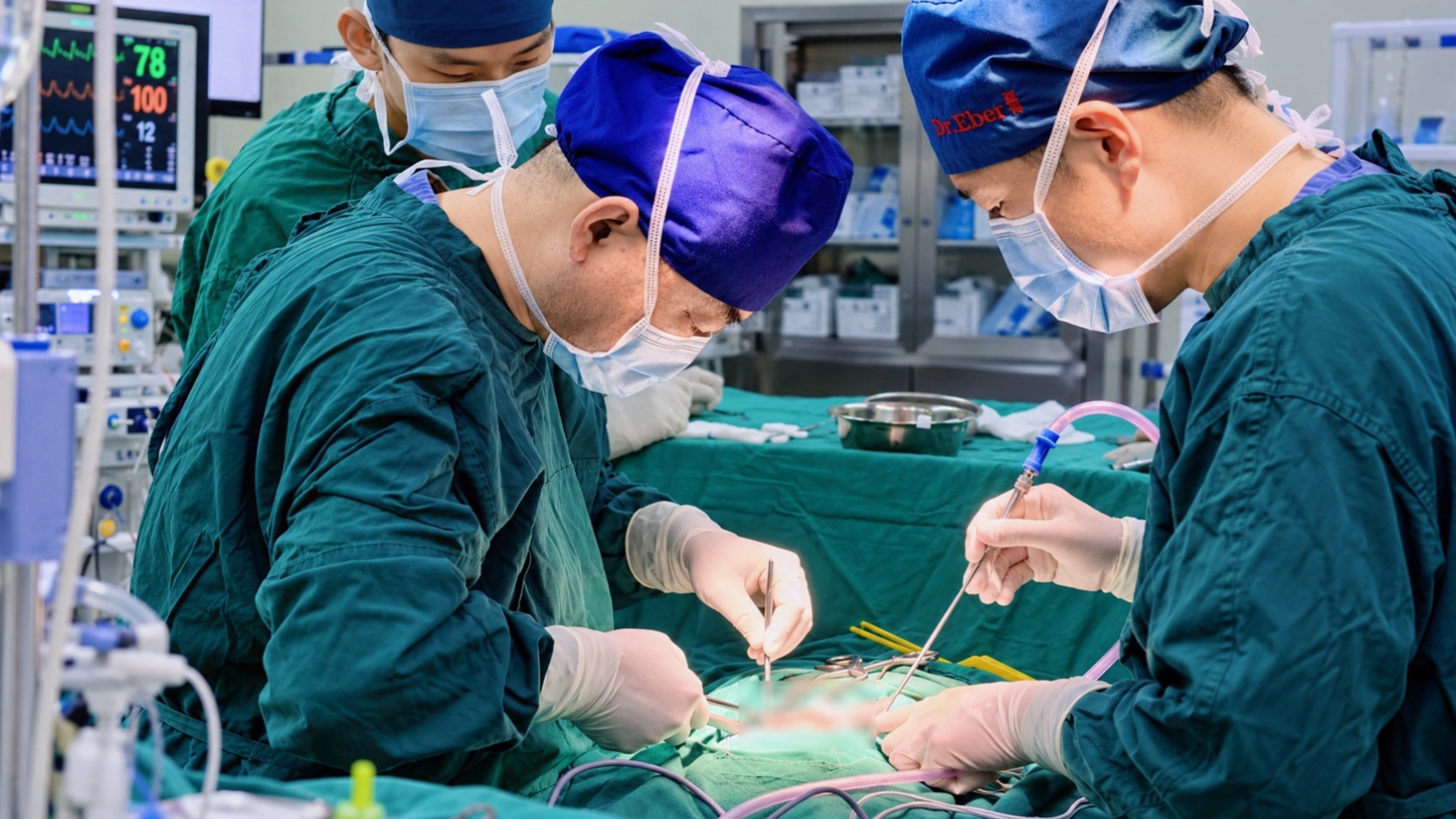
Spastic cerebral palsy is characterized by increased muscle tone (spasticity), causing muscles to be stiff and movements to be awkward. It is caused by damage to the motor cortex or pyramidal tracts of the brain. Spastic CP is further classified by body distribution: diplegia (legs more affected than arms), hemiplegia (one side of the body), and quadriplegia (all four limbs, often with trunk involvement). This is the primary type for which FSPR surgery is indicated.
Causes and Risk Factors
Prenatal factors (70-80% of cases)
- Brain malformation
- Maternal infections
- Placental insufficiency
- Genetic factors
Perinatal factors
- Birth asphyxia
- Neonatal stroke
- Severe jaundice (kernicterus)
Postnatal factors (10-15%)
- Traumatic brain injury
- Meningitis
- Encephalitis
- Near-drowning
Risk factors
- Prematurity (<37 weeks)
- Low birth weight (<2,500g)
- Multiple births
- Maternal thyroid abnormalities
In many cases, the exact cause cannot be identified — this does not affect treatment approach.
CP is NOT caused by vaccinations, and it is NOT hereditary in most cases.
Common Symptoms and Signs
Symptoms vary widely depending on the type and severity of CP. Early signs may include: delays in reaching motor milestones (rolling over, sitting, crawling, walking), stiff or floppy muscle tone, favoring one side of the body, difficulty with fine motor skills (grasping, feeding), abnormal gait (toe walking, scissoring), and difficulties with speech, swallowing, or coordination. Many children with CP also have associated conditions including intellectual disability (35-50%), epilepsy (25-35%), vision and hearing impairments, and speech disorders.
Diagnosis and Evaluation
- 1
Developmental Monitoring
Pediatrician tracks milestones at regular checkups. Parents report concerns about movement or development.
- 2
Developmental Screening
Standardized tools (e.g., Ages & Stages Questionnaire) at 9, 18, and 30 months.
- 3
Comprehensive Evaluation
Pediatric neurologist or developmental pediatrician performs detailed neurological exam and developmental assessment.
- 4
Imaging Studies
MRI is the gold standard to identify brain abnormalities. CT scan if MRI is not feasible. EEG if seizures are present.
- 5
Additional Testing
Genetic and metabolic testing, if etiology is unclear.
- 6
Classification & GMFCS Level
Gross Motor Function Classification System (GMFCS) levels I–V.
Treatment Overview: A Multidisciplinary Approach
There is no cure for cerebral palsy, but treatment can significantly improve function, comfort, and quality of life. The best outcomes come from an integrated, multidisciplinary approach that addresses the child's physical, cognitive, and emotional needs. At Eber Neurosurgery, our Five-in-One model combines diagnosis, surgery, in-clinic rehabilitation, home rehabilitation, and psychological support to maximize each child's potential.
Cerebral palsy is not a life sentence. With the right treatment at the right time, many children with spastic CP can achieve levels of independence that were once thought impossible. The key is early intervention and integrated care.
— Dr. Sun Chengyan, Chief Neurosurgeon
Frequently Asked Questions
A:No. The brain injury that causes CP is non-progressive. However, functional challenges can change as the child grows.
A:There is currently no cure for CP. However, treatments including FSPR surgery can dramatically improve function and quality of life.
A:Earlier is generally better. FSPR surgery is typically performed from age 3+.
A:This depends on GMFCS level, CP type, and treatment. Many children with GMFCS I-III achieve independent walking.
Have Questions? Talk to Your Dedicated International Coordinator
Free consultation, no obligation. We respond within 48 hours.
Ready to Start Your Recovery Journey?
Submit your case — Dr. Sun Chengyan's team responds within 48 hours
Medical Review by Sun Chengyan, MD, PhD — Chief Neurosurgeon, Shanghai Eber Hospital
Last Updated: September 2026 | Content reviewed for medical accuracy