
Rehabilitation After FSPR Surgery: Complete Timeline Guide
Rehabilitation: The Key to FSPR Success
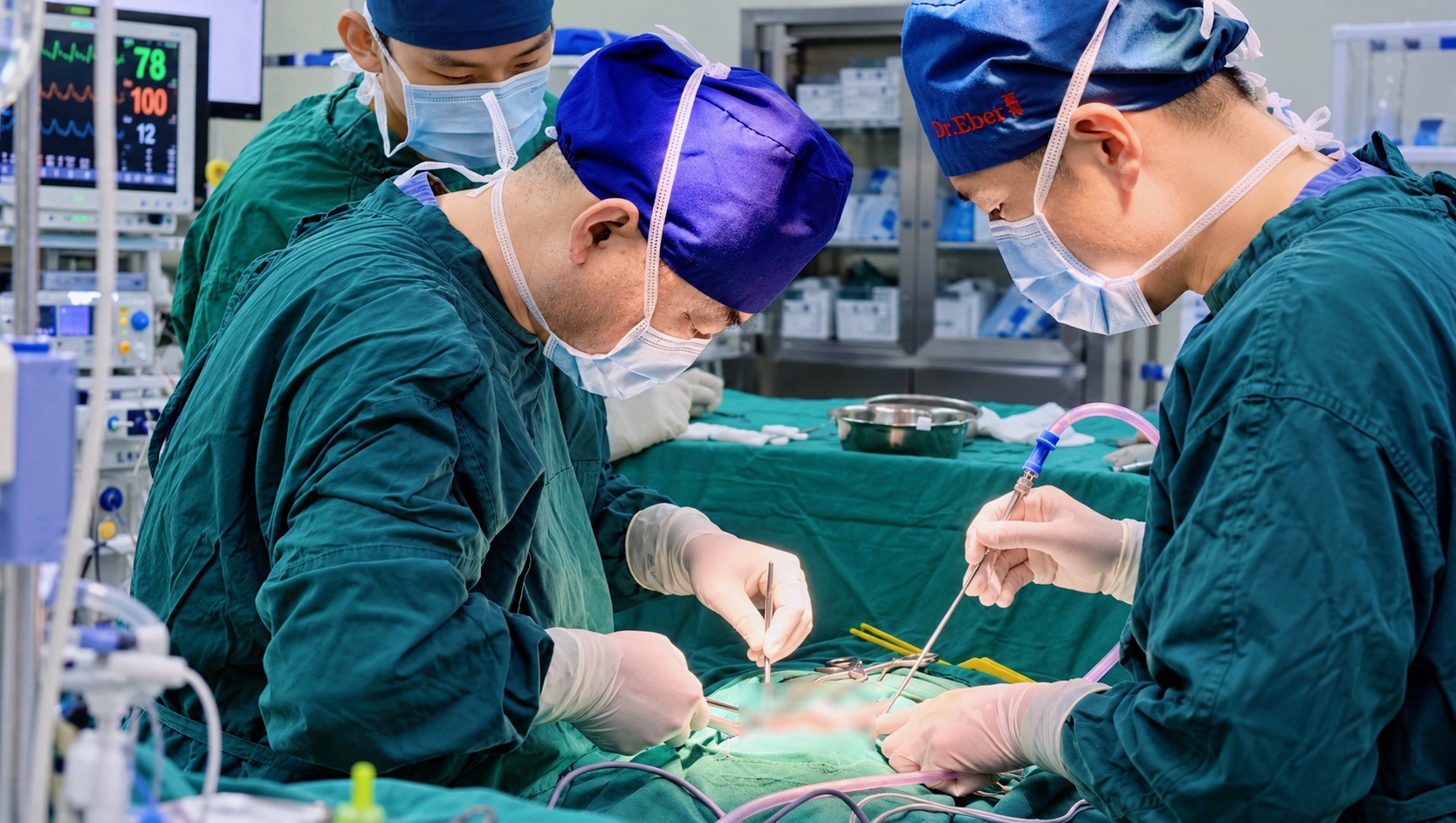
FSPR surgery permanently reduces spasticity, but the functional gains come from rehabilitation. The surgery creates a window of opportunity — muscles that were constantly tight are now released, and the brain must learn new movement patterns. Without intensive, expert rehabilitation, the benefits of FSPR are significantly diminished.
At Eber Neurosurgery, our Five-in-One model integrates surgery with rehabilitation under one system, ensuring no gap between the two. This guide walks you through what to expect at every stage of recovery.
Table of Contents
Phase 1: Immediate Post-Operative (Days 1-7)
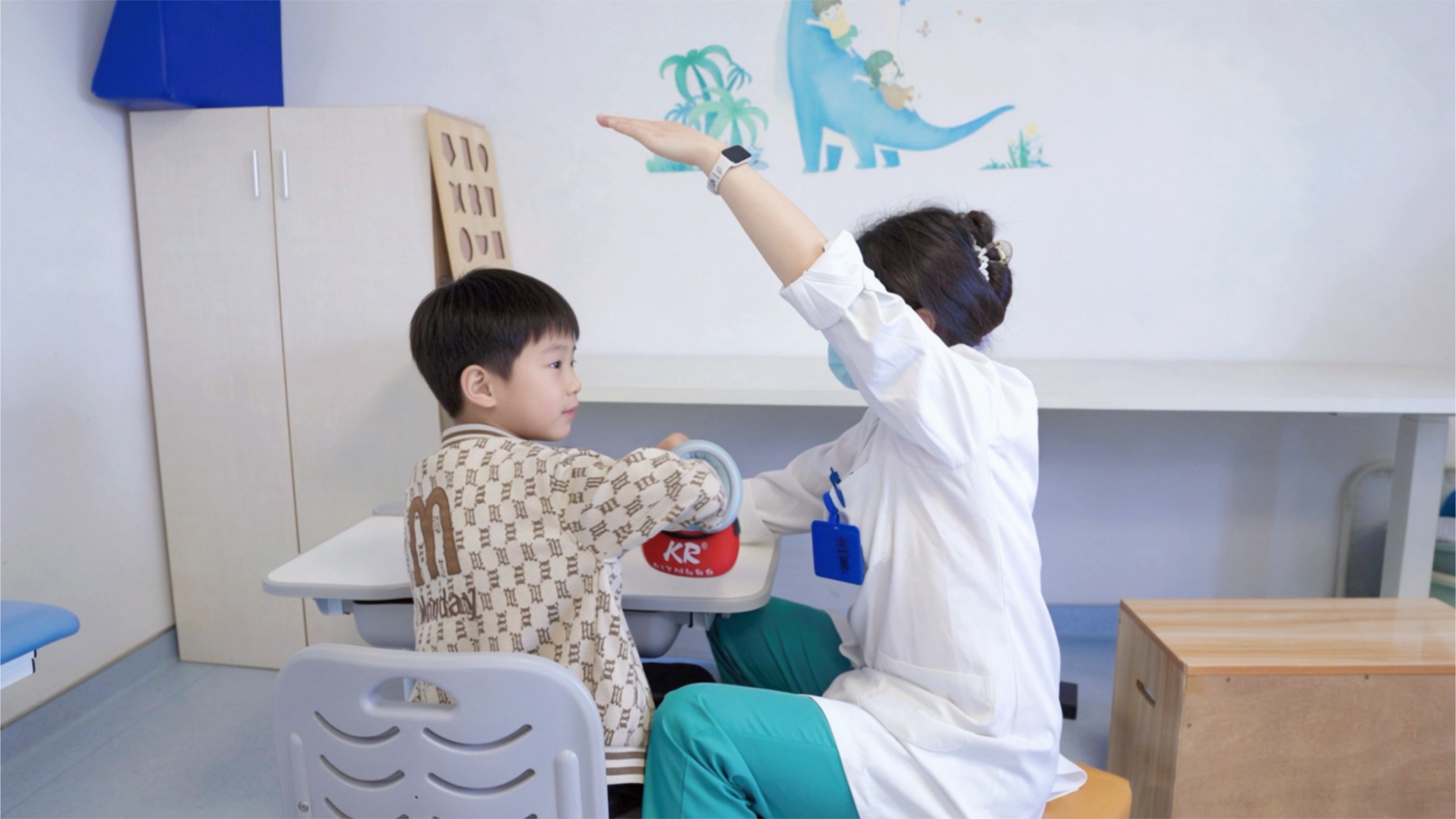
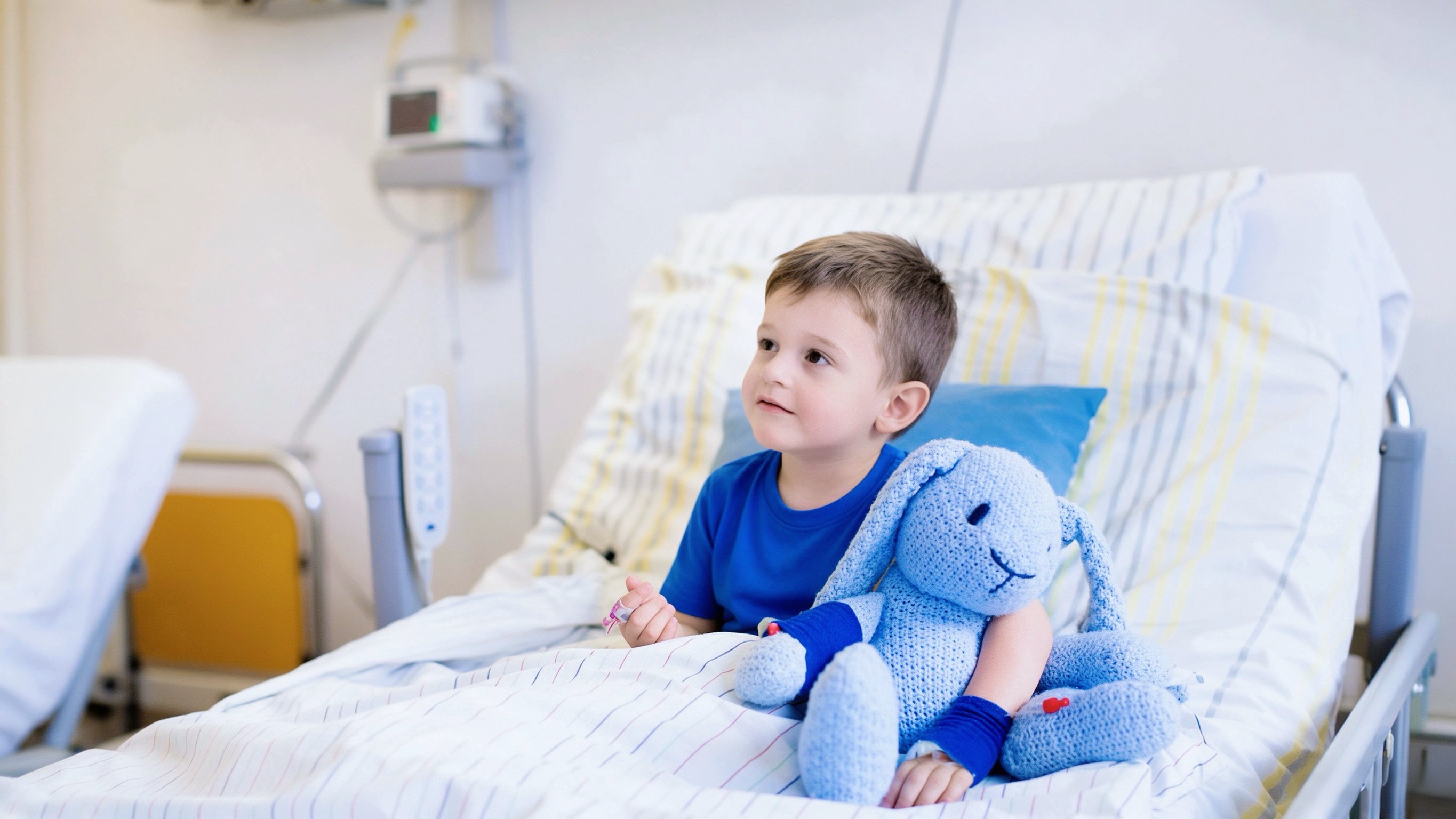
After FSPR surgery, the patient spends the first night in the ICU for monitoring, then transfers to a regular ward. The surgical site (lower back) will be sore but managed with medication. The medical team monitors for any neurological changes, wound healing, and pain control. Early mobilization begins within 24-48 hours — sitting up, standing with support, and gentle walking. The goal of this phase is medical stability and early movement to prevent complications.
Pain: Managed with oral medication. Most patients report significant improvement by day 3-4.
Diet: Regular diet resumed within 24-48 hours. Adequate protein for wound healing.
Phase 2: In-Clinic Rehabilitation (Weeks 1-4)

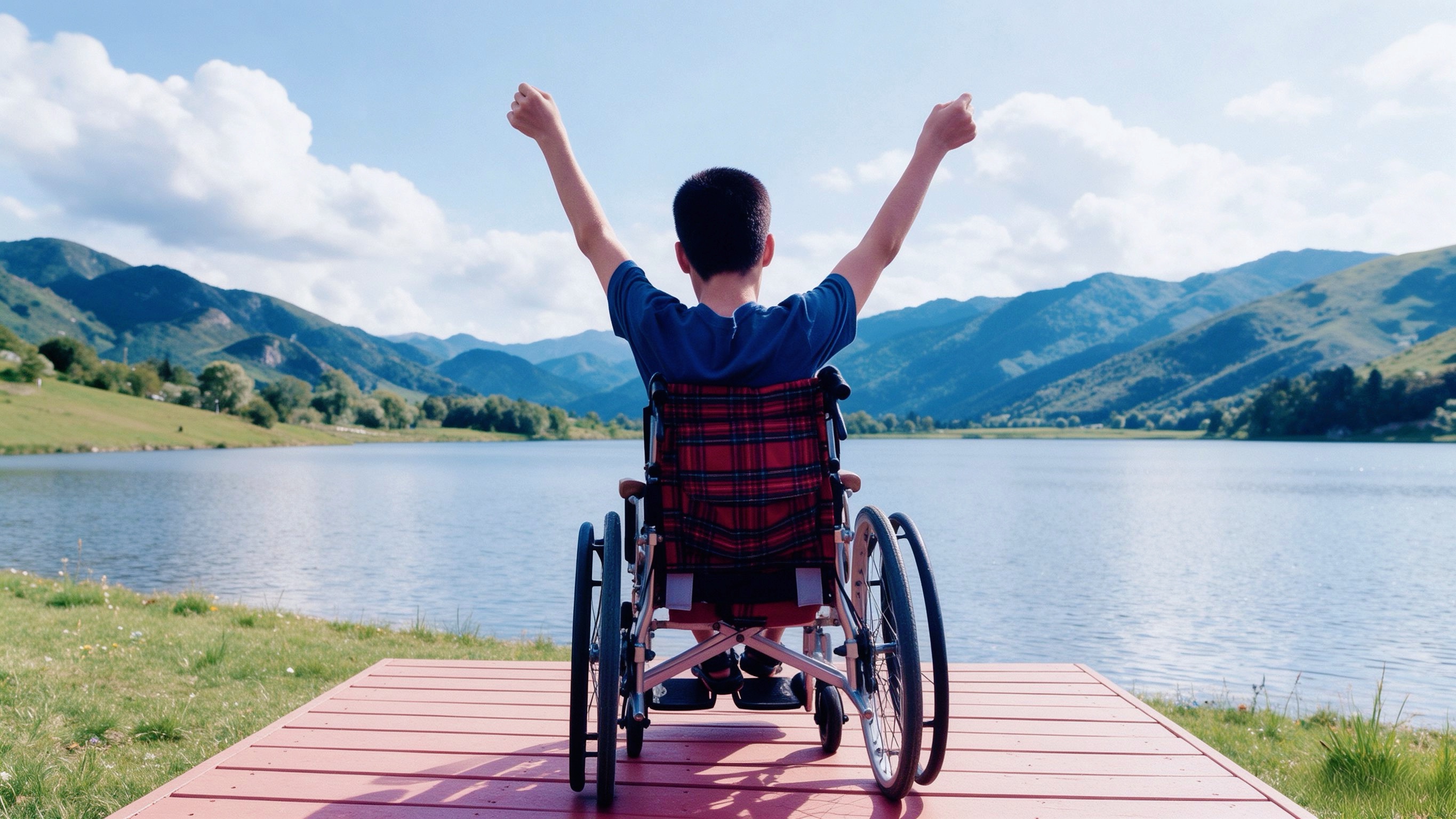
This is the most intensive phase of recovery. Patients participate in 4-6 hours of structured rehabilitation daily, including physiotherapy (gait training, strengthening, balance), occupational therapy (fine motor, activities of daily living), hydrotherapy (if available), and therapeutic exercise. The focus is on building new movement patterns in the brain's motor cortex — the brain must "relearn" how to move without the constant resistance of spasticity. This is why surgery alone is not enough: the brain needs thousands of repetitions to establish new motor programs.
| Therapy Type | Frequency | Focus | Key Techniques |
|---|---|---|---|
| Physiotherapy | 2-3 hrs/day | Gait, strength, balance, ROM | Gait training, stretching, strengthening |
| Occupational Therapy | 1-2 hrs/day | Fine motor, ADLs, hand function | Graded task practice, sensory, coordination |
| Hydrotherapy | 2-3x/week | Low-impact strengthening, gait | Aquatic walking, resistance exercises |
| Orthotic Exercise | 1-2x/day | Ankle, posture, endurance | Heel walk, toe exercises, curling |
| Neurological | As needed | Communication, feeding | Articulation, oral motor, swallowing |
Phase 3: Skill Acquisition (Months 1-3)
After the initial in-clinic rehabilitation, patients continue with structured therapy — either at Eber (for extended stays) or at home with a personalized program. This phase is characterized by rapid skill acquisition as the brain adapts to the new reduced tone state. Many families report that their child achieves skills they never had before: independent sitting, crawling, standing, or walking. The rate of progress varies, but most patients show the most dramatic gains in the first 3-6 months after surgery.
Phase 4: Consolidation (Months 3-6)
During this phase, newly acquired skills are consolidated and refined. The focus shifts from acquiring new skills to improving quality, endurance, and automaticity of movement. Patients work on more complex tasks: walking on uneven surfaces, climbing stairs, running, sports participation. Regular follow-up with the Eber team (remote video consultations) ensures the rehabilitation program is adjusted based on progress. Orthotic devices (AFOs) may be prescribed or adjusted to support proper foot positioning during gait.
Phase 5: Long-term (6-12+ Months)
By 6-12 months post-surgery, most patients have achieved the majority of their functional gains. The spasticity reduction from FSPR is permanent — it does not return. However, continued therapy and a home exercise program are essential to maintain and build on gains. The Eber team provides remote follow-up at 1, 3, 6, and 12 months, with annual check-ins thereafter. The home program includes daily stretching, strengthening, and functional activities tailored to the patient's current level.
Home Rehabilitation Program
“FSPR surgery is 50% of the outcome. The other 50% is rehabilitation. The surgery creates the opportunity; rehabilitation capitalizes it. Families who commit to intensive post-op therapy see dramatically better results than those who do not.”
— Eber Neurosurgery Rehabilitation Protocol
Frequently Asked Questions
A:Most children can stand with assistance within 3-5 days and walk with support by day 7-10. Full independent walking typically develops over 3-6 months with consistent rehabilitation.
A:It is strongly recommended. 2-4 weeks of in-clinic rehabilitation after FSPR is the gold standard for optimal outcomes.
A:Yes. We provide a detailed home program and can coordinate with your local therapists. Remote follow-up consultations are included.
A:We offer 2-week, 4-week, and 8-week in-clinic programs. Many families choose the 4-week option as the optimal balance.
Have Questions? Talk to Your Dedicated International Coordinator
Free consultation, no obligation. We respond within 48 hours.
Ready to Start Your Recovery Journey?
Submit your case — Dr. Sun Chengyan's team responds within 48 hours
Medical Review by Sun Chengyan, MD, PhD — Chief Neurosurgeon, Shanghai Eber Hospital
Last Updated: September 2026 | Content reviewed for medical accuracy