
The Five-in-One Closed-Loop Care Model: Eber's Signature Approach
Why Surgery Alone Is Not Enough
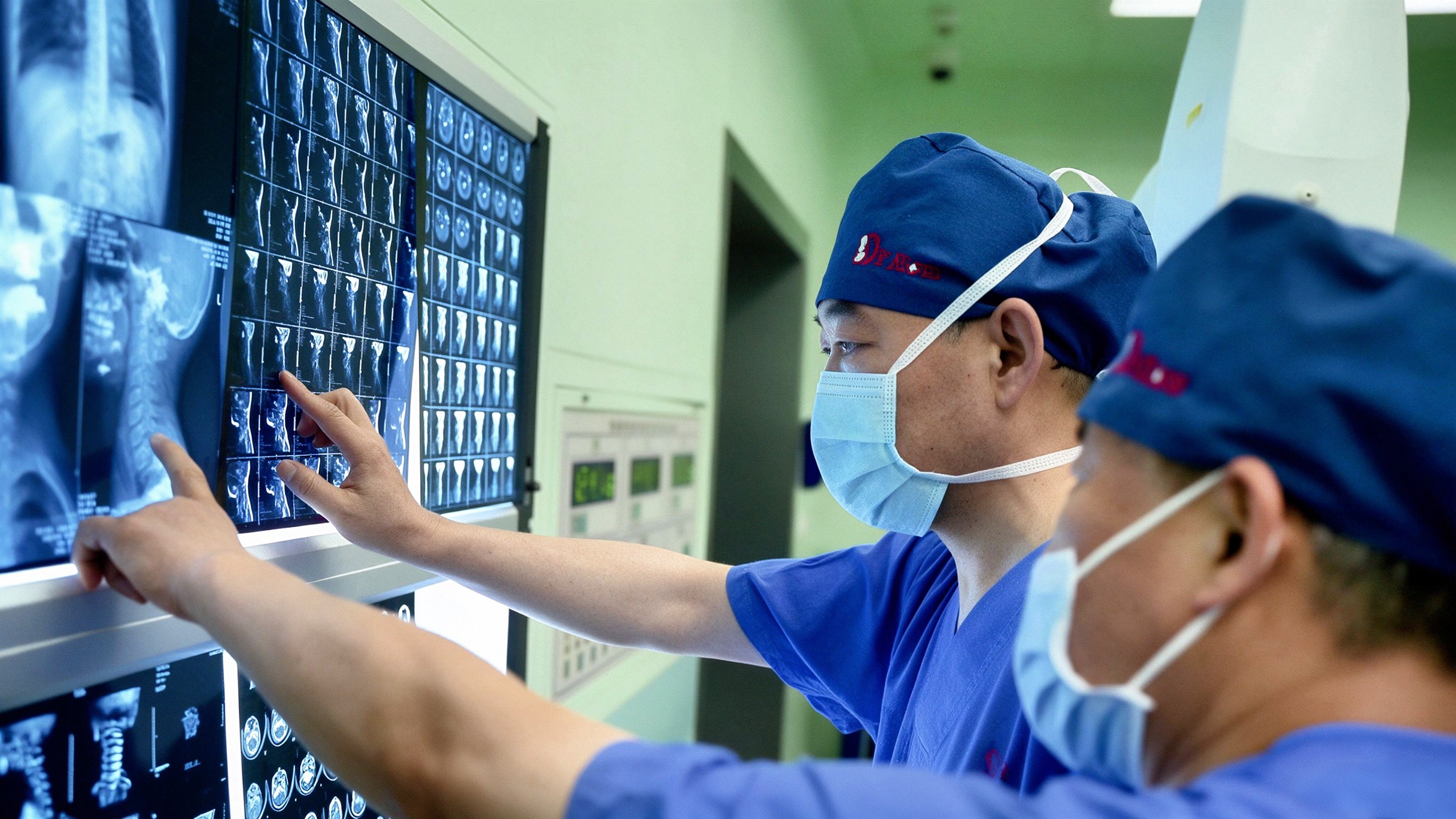
At many hospitals, cerebral palsy treatment is fragmented. A neurosurgeon performs surgery, then sends the patient to a separate rehabilitation clinic, often with no communication between the two. This gap means that the critical early post-operative period — when the brain is most receptive to forming new movement patterns — is often wasted. Patients may develop compensatory movement patterns, lose the gains from surgery, or experience complications. The Five-in-One model was created to solve this problem by integrating every stage of care into one continuous, closed-loop system.
Table of Contents
The Five-in-One Solution: A Closed Loop
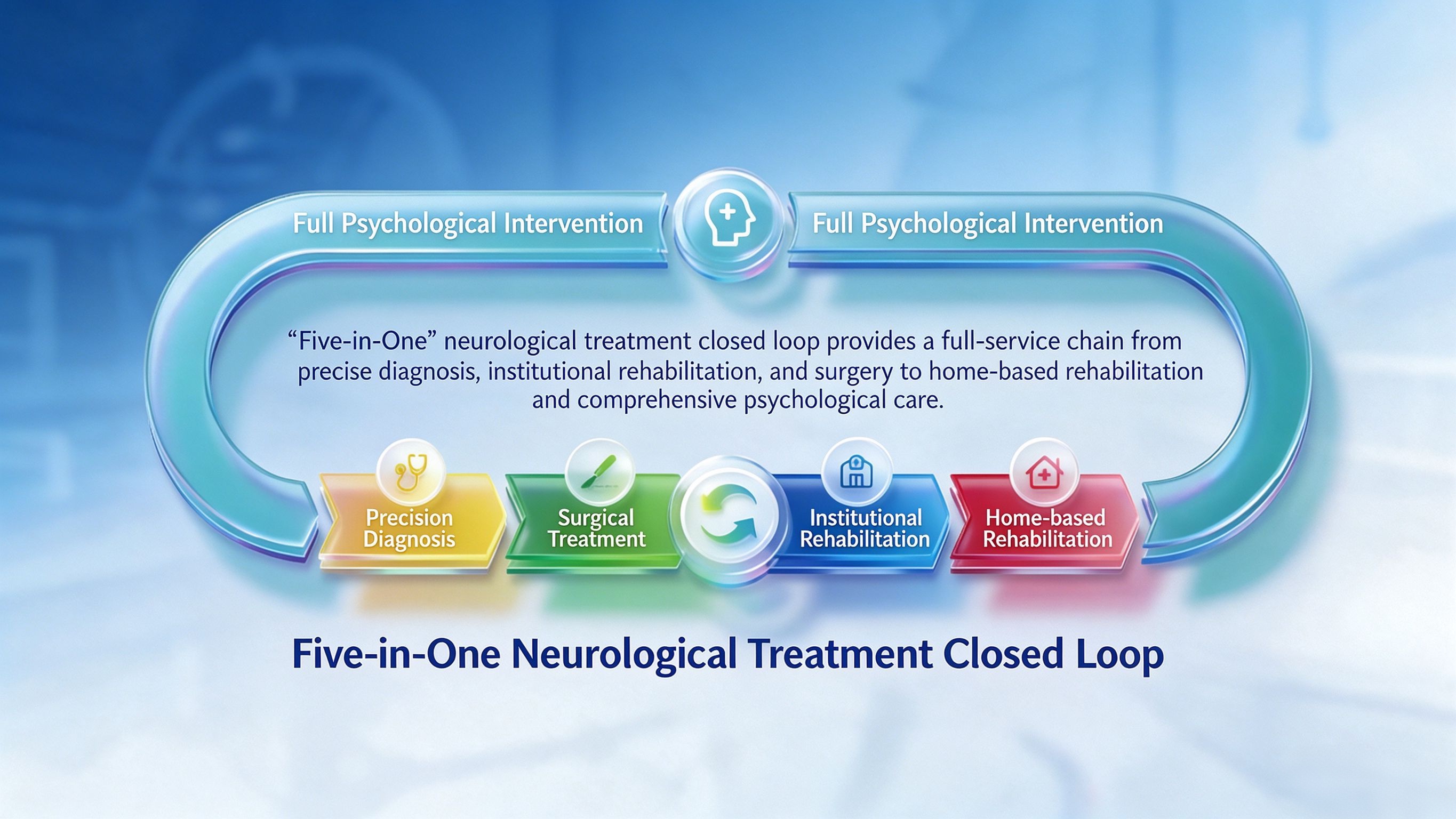
Developed by Dr. Sun Chengyan, the Five-in-One model (五位一体) integrates five essential components of cerebral palsy treatment into a single, continuous process: diagnosis, surgery, in-clinic rehabilitation, home rehabilitation, and psychological support. The model is called 'closed-loop' because each step informs and supports the next — there is no gap, no handoff to an uninvolved provider, and no loss of information. The same team that diagnoses your child performs the surgery, oversees the rehabilitation, designs the home program, and provides psychological support throughout.
Pre-treatment
Post-treatment
Step 1: Comprehensive Diagnosis
Every treatment journey begins with a thorough, multidisciplinary evaluation. Our team — including neurosurgeons, rehabilitation physicians, physical therapists, occupational therapists, and psychologists — assesses the patient's condition using: detailed neurological examination, gait analysis (video and instrumented), MRI and imaging review, electrophysiological testing (EMG, nerve conduction), GMFCS level classification, functional skills assessment, and family goals and expectations.
For international patients, the initial evaluation is conducted remotely through case review and video consultation, with a 48-hour response time. The diagnosis determines whether surgery is appropriate and what specific procedure will be most beneficial.
Step 2: Precision Surgery
Based on the diagnosis, Dr. Sun Chengyan's team performs the appropriate surgical procedure — most commonly FSPR for spastic cerebral palsy, but also SDR for focal spasticity, orthopedic surgery for contractures, DBS for Parkinson's, or epilepsy surgery.
All procedures use advanced techniques including intraoperative electrophysiological monitoring, surgical microscopes, and stereotactic navigation as appropriate. Surgery is performed by Dr. Sun or under his direct supervision. The goal is not just to perform a procedure, but to create the optimal neurological state for rehabilitation to succeed.
Step 3: In-Clinic Rehabilitation
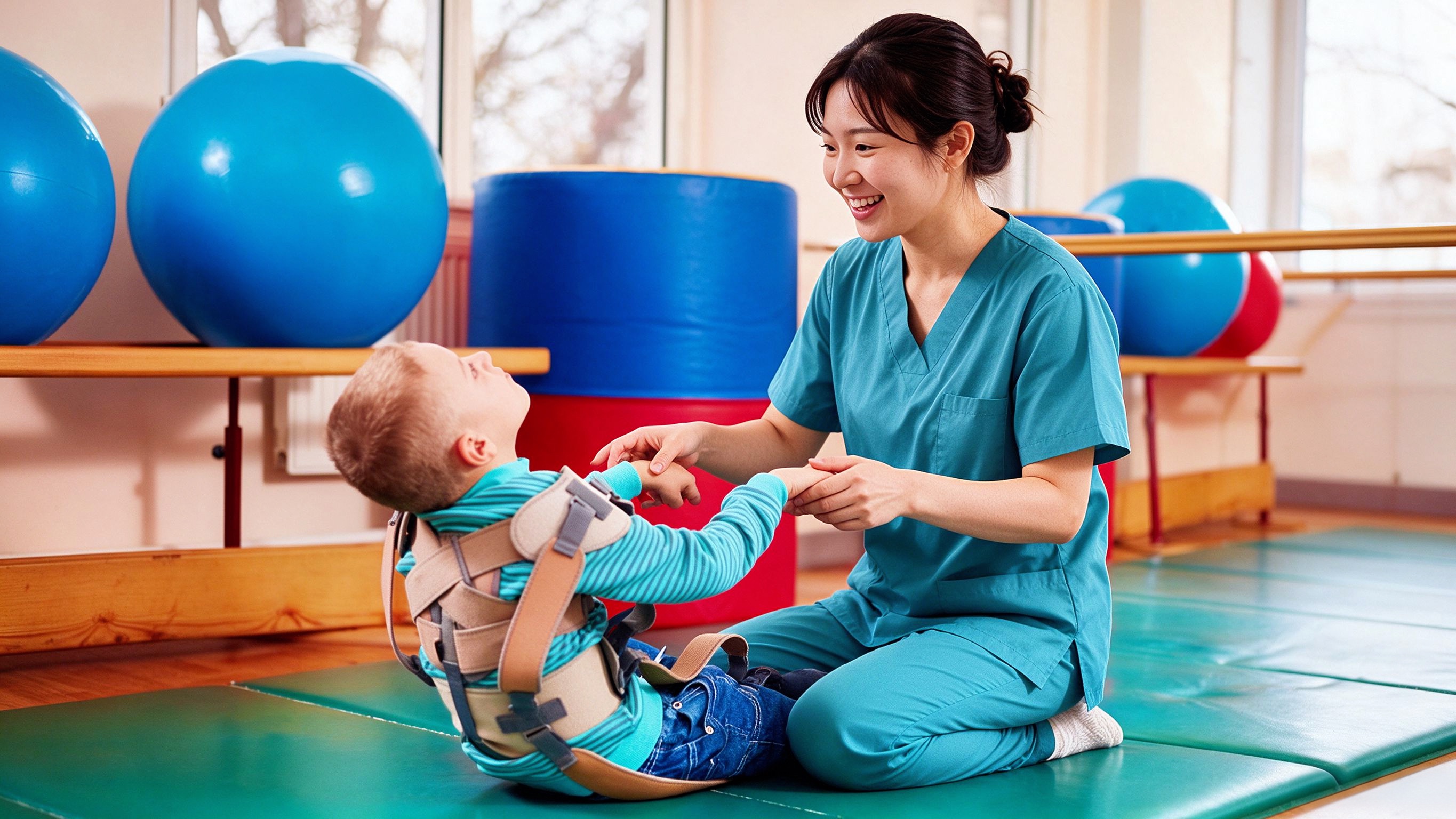
Rehabilitation begins within 24-48 hours of surgery — not weeks later. During the in-clinic phase (typically 2-4 weeks), patients receive 4-6 hours of structured therapy daily, including: physical therapy (gait training, strengthening, balance, range of motion), occupational therapy (fine motor, activities of daily living), hydrotherapy, speech therapy if needed, and therapeutic exercise.
Crucially, the rehabilitation team works directly with the surgical team — they know exactly what was done during surgery and can tailor the therapy accordingly. This immediate, integrated rehabilitation is what makes the Five-in-One model more effective than surgery followed by delayed, disconnected therapy.
Step 4: Home Rehabilitation Program
When patients return home, the rehabilitation does not stop. Eber provides a personalized home exercise program with: detailed written instructions, video demonstrations of each exercise, a daily schedule template, guidance on how to progress exercises over time, recommendations for local therapy resources, and consultation with local therapists if desired.
The home program is revised and adjusted at each follow-up. This ensures that the gains made in-clinic are not lost after discharge, and that rehabilitation continues to drive improvement long after the patient leaves Shanghai.
Step 5: Psychological Support
Living with cerebral palsy — or raising a child with the condition — affects not just the body, but the mind. Patients and families often experience anxiety, depression, frustration, and social isolation. Psychological support is integrated throughout the Five-in-One model: pre-surgery counseling to set realistic expectations, post-surgery emotional support during the challenging recovery period, family counseling to help caregivers cope, peer connection with other patients and families, and long-term mental health monitoring.
Research consistently shows that psychological wellbeing directly impacts rehabilitation outcomes — patients who are emotionally engaged achieve better physical results.
The Closed-Loop Advantage
Diagnosis Informs Surgery
The surgical plan is informed by a full pre-surgical evaluation, not a generic protocol.
Surgery Enables Rehab
By reducing spasticity, surgery creates the neurological conditions for therapy to be effective.
Rehab Team Knows the Surgery
The therapy team works directly with the surgical team — no information lost at handoff.
Home Program Continues Gains
The personalized home program ensures progress continues after discharge.
Psychology Supports Adherence
Emotional and mental health support keeps patients engaged through the challenging recovery process.
Follow-up Closes the Loop
12-month structured follow-up with outcome tracking and program adjustment — completing the cycle.
Our Philosophy
“The Five-in-One model is not just a list of services — it is a philosophy. We believe that the best outcomes come from treating the whole person, not just the symptom, and from ensuring that every step of care connects seamlessly to the next. That is why our patients achieve more.”
Frequently Asked Questions
A:Yes. We encourage pre-treatment visits when possible. We also offer virtual tours.
A:Shanghai Eber Hospital is a Class 2A designated institution (China's highest).
A:International menus are available on request. Halal, kosher, and other dietary needs are accommodated.
A:Yes. Companion beds are available in patient rooms, and we can arrange nearby apartments.
Have Questions? Talk to Your Dedicated International Coordinator
Free consultation, no obligation. We respond within 48 hours.
Ready to Start Your Recovery Journey?
Submit your case — Dr. Sun Chengyan's team responds within 48 hours
Medical Review by Sun Chengyan, MD, PhD — Chief Neurosurgeon, Shanghai Eber Hospital
Last Updated: September 2026 | Content reviewed for medical accuracy