
Medical Tourism for Neurology: China vs Turkey vs Thailand
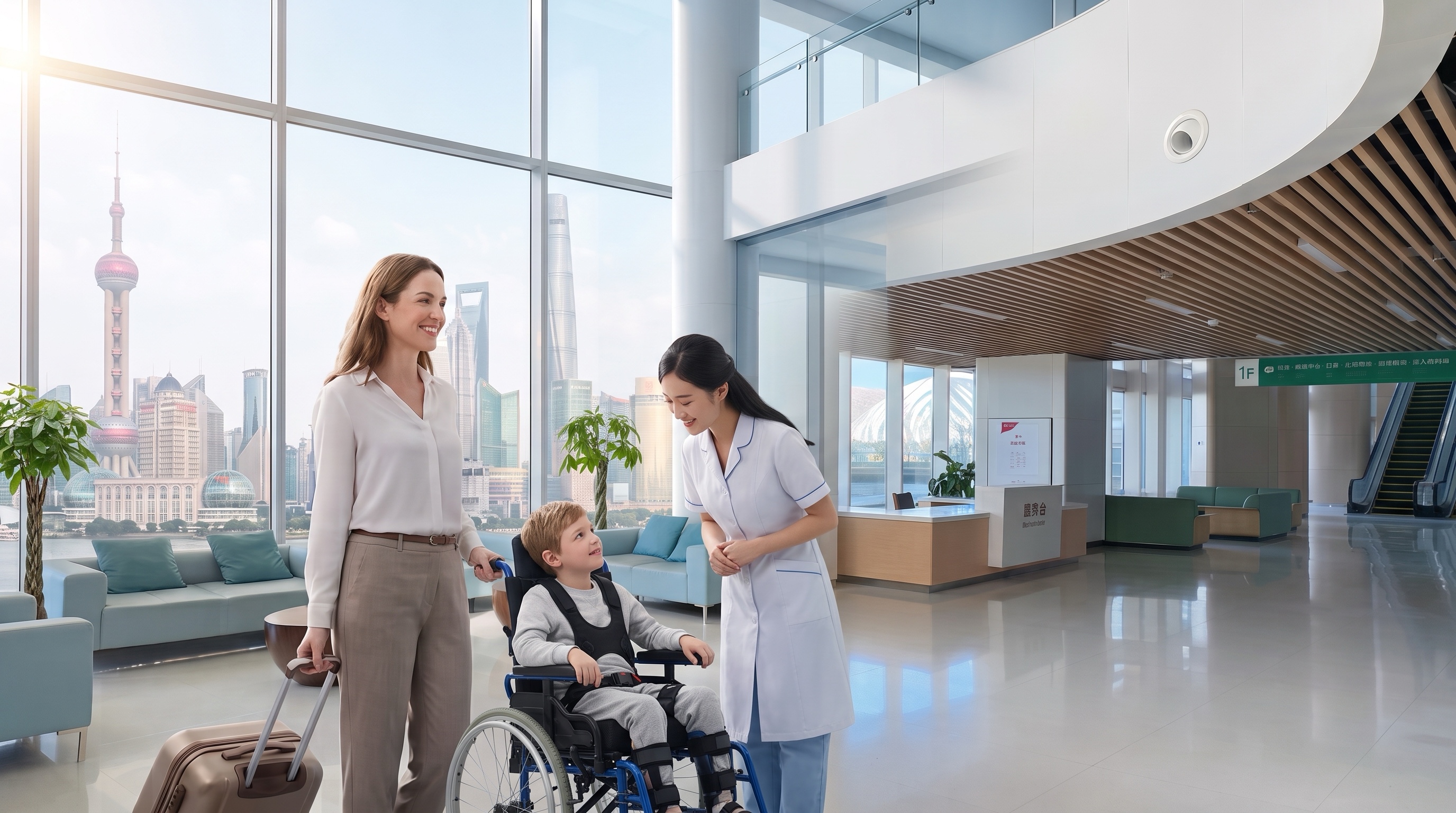
Comparing the Top Medical Tourism Destinations for Neurology
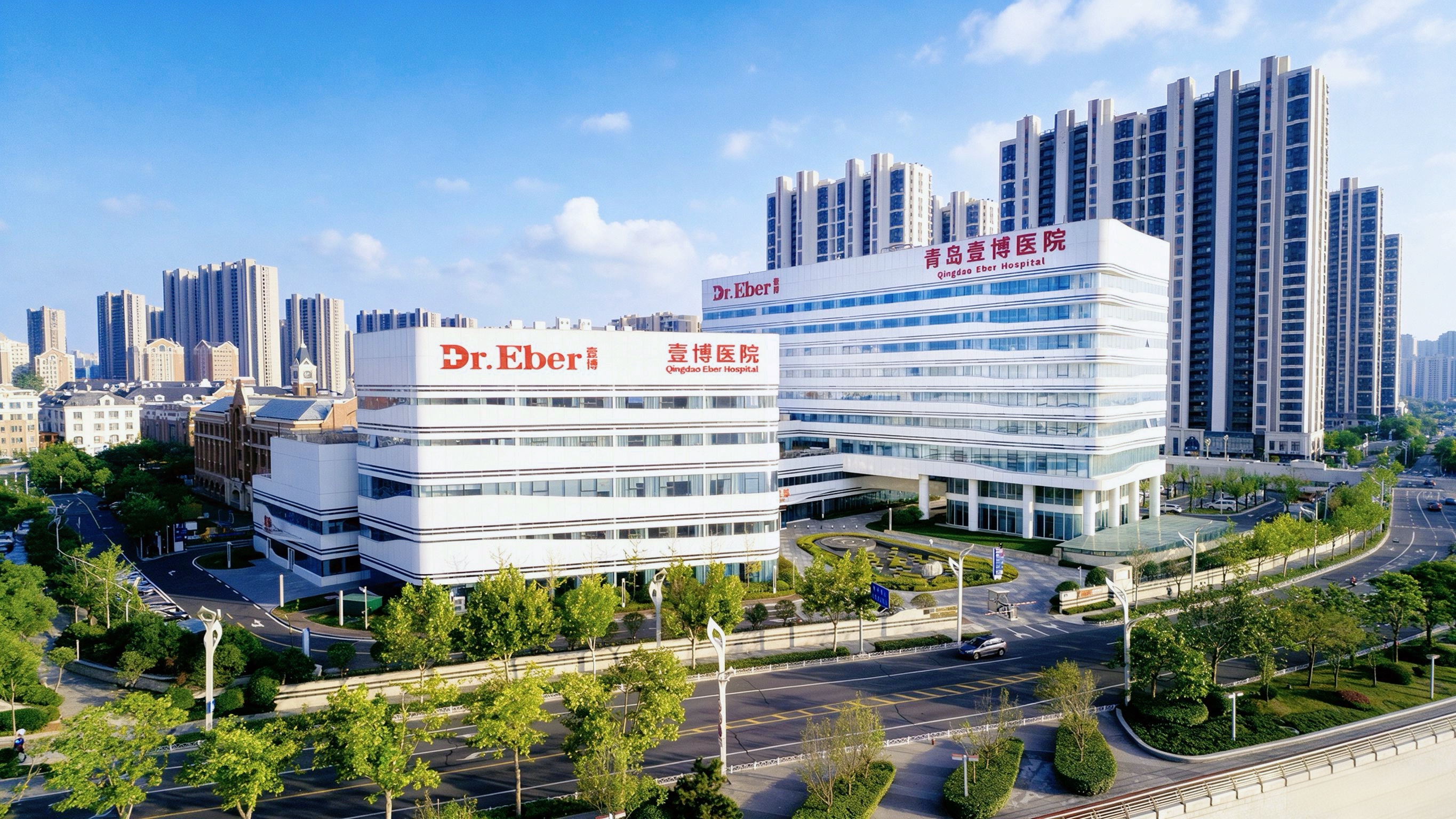
When seeking neurological surgery abroad — whether FSPR for cerebral palsy, DBS for Parkinson's, or epilepsy surgery — three countries dominate the medical tourism landscape: China, Turkey, and Thailand. Each has distinct advantages in quality, accessibility, logistics, and recovery environment. This evidence-based comparison helps you decide which destination is right for your specific needs.
Table of Contents
Comprehensive Comparison Table
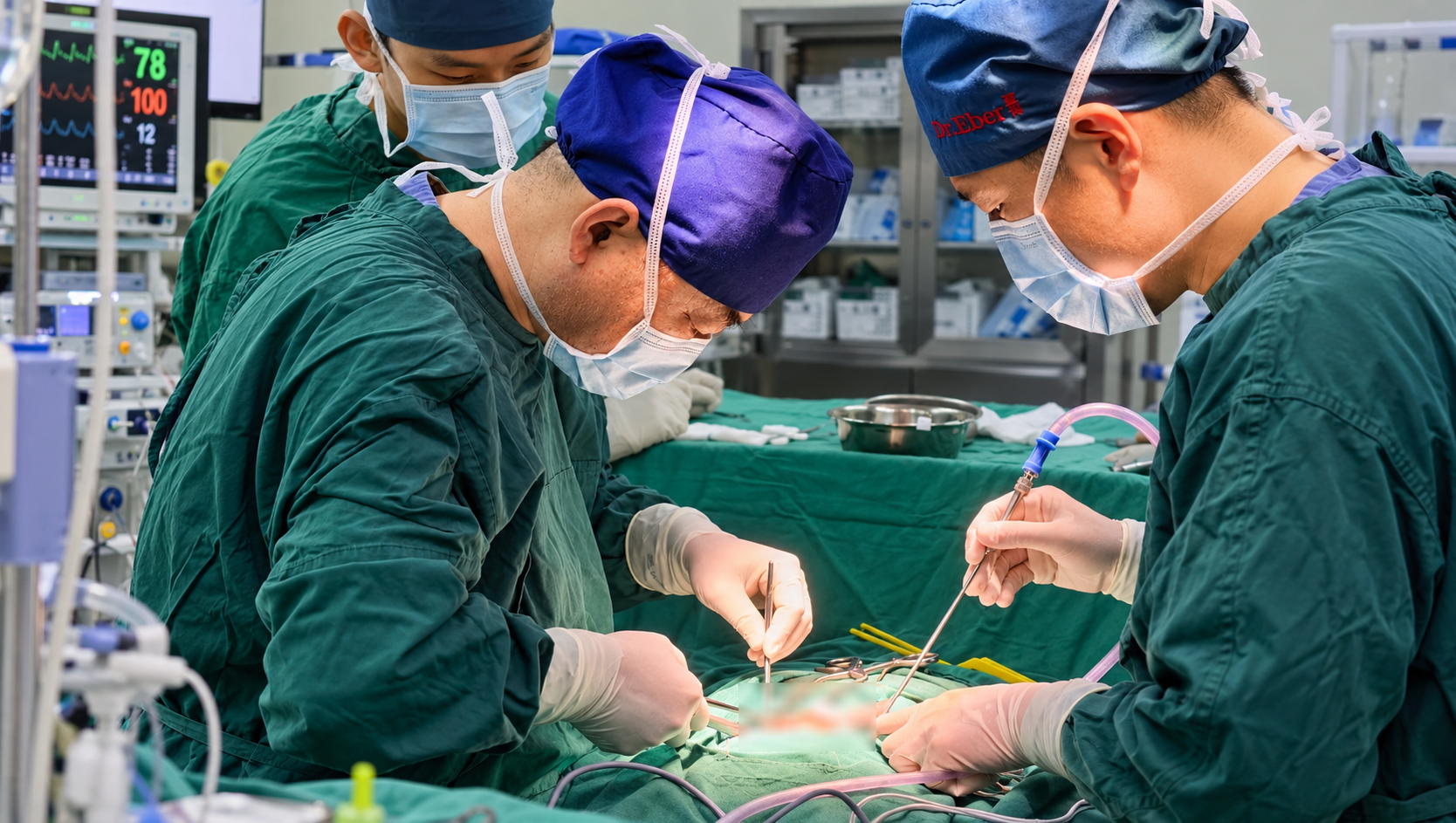
When seeking neurological surgery abroad - whether FSPR for cerebral palsy, DBS for Parkinson's, or epilepsy surgery - three countries dominate the medical tourism landscape: China, Turkey, and Thailand. Each has distinct advantages in quality, accessibility, logistics, and recovery environment. This evidence-based comparison helps you decide which destination is right for your specific needs.
| Factor | China (Shanghai) | Turkey (Istanbul) | Thailand (Bangkok) |
|---|---|---|---|
| FSPR Surgery Overview | World-leading volume (30,000+) | Growing volume | Limited volume |
| DBS Surgery Overview | Established program | Established program | Growing program |
| Surgeon Experience | 30,000+ (Dr. Sun) | 500-2,000 typical | 200-1,000 typical |
| Rehab Integration | In-house, Five-in-One | Often outsourced | In-house at top hospitals |
| Total Time | 4-5 weeks | 3-4 weeks | 3-4 weeks |
| Language Support | Mandarin+EN+T | EN+limited | EN+limited |
| Visa Difficulty | M visa, 4-5 days | E-visa, easy | Visa-on-arrival, easy |
| Flight Access | 200+ direct routes | 120+ direct routes | 120+ direct routes |
| JCI Accreditation | Class 2A (highest CN) | Many JCI accredited | Many JCI accredited |
| Recovery Environment | Urban, world-class | Urban, resort-style | Tropical, resort-style |
China: The Specialist Choice for FSPR and Functional Neurosurgery
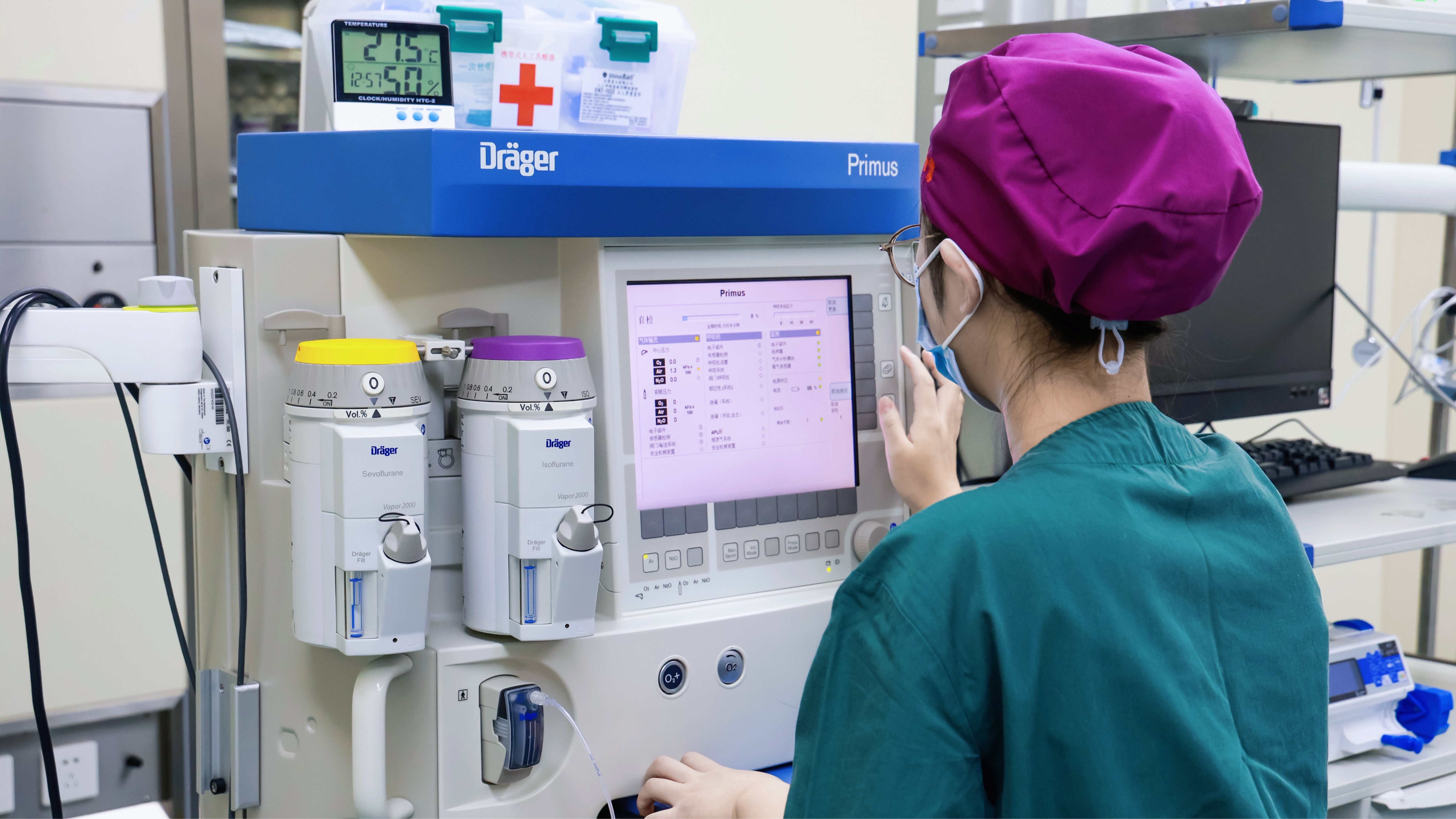
Pre-treatment
Post-treatment
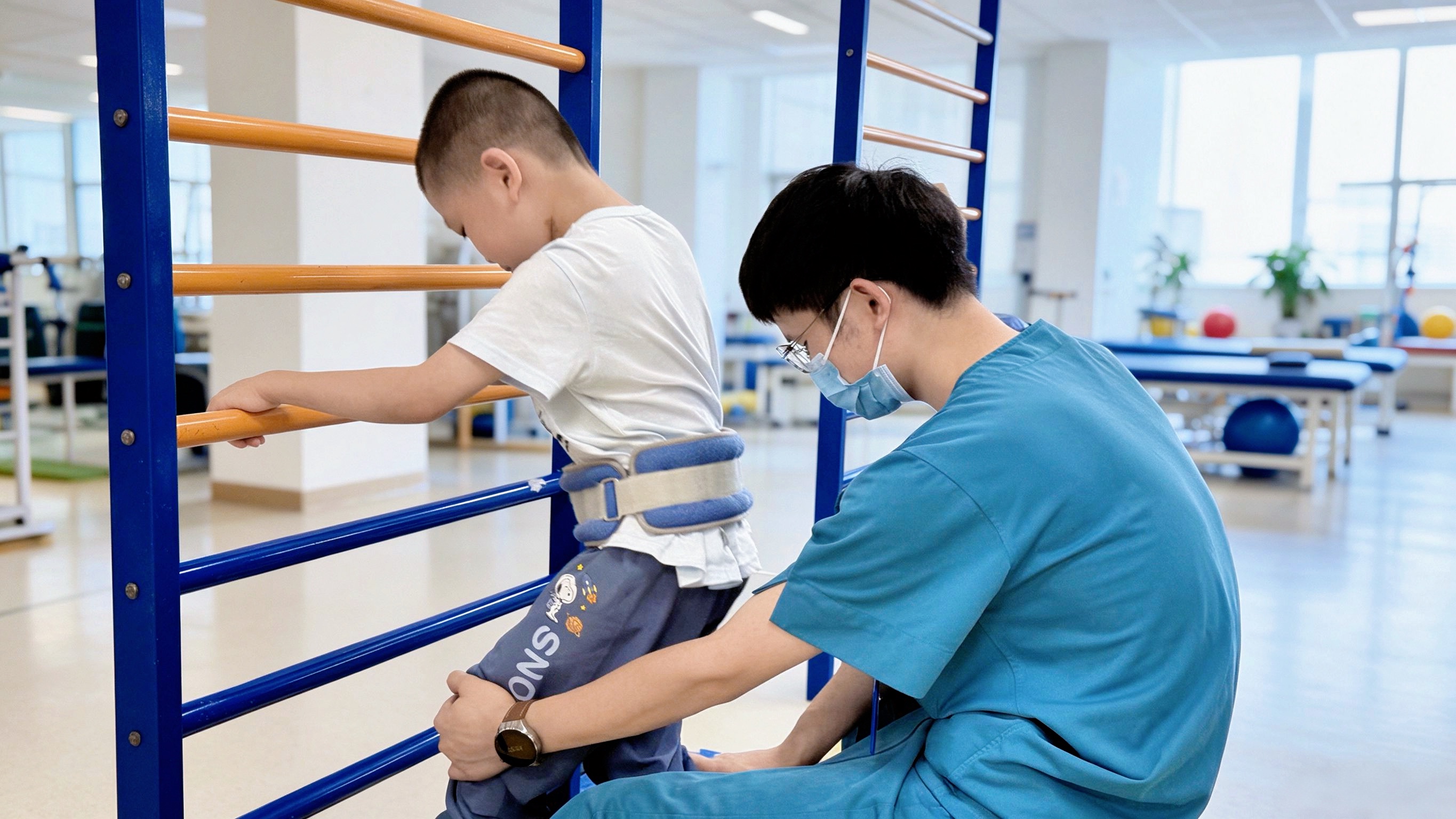
China's greatest advantage in neurological medical tourism is the depth of surgical experience. Dr. Sun Chengyan's team has performed over 30,000 cerebral palsy surgeries. The Five-in-One integrated model (diagnosis, surgery, in-clinic rehab, home rehab, psychological support) ensures no gap between surgery and rehabilitation. Shanghai offers world-class infrastructure, a safe environment, and direct flights from 200+ cities. The primary challenge is the visa process, which requires an M visa and hospital invitation letter — but Eber handles this entirely for international patients.
Turkey: The Established All-Rounder
Turkey has invested heavily in medical tourism infrastructure, with many JCI accredited hospitals in Istanbul. It offers easy e-visa, convenient location between Europe and Asia, and strong marketing. For cosmetic dentistry, hair transplants, and general surgery, Turkey is excellent. For specialized functional neurosurgery (FSPR, DBS, epilepsy), however, the surgical volume per surgeon is typically much lower than in China — most Turkish neurosurgeons perform 500-2,000 cerebral palsy surgeries in their entire career, compared to 30,000+ at Eber. Rehabilitation is often outsourced to separate clinics, creating a gap in care continuity.
Thailand: The Hospitality Leader
Thailand is renowned for hospital hospitality and JCI accredited facilities. Bumrungrad and Samitivej hospitals offer hotel-like environments and excellent English service. For general medical checkups, cardiology, and orthopedics, Thailand is a top choice. For functional neurosurgery, however, Thailand has fewer specialized centers and lower surgical volumes. The recovery environment is tropical and resort-style, which some families prefer, but the distance from major neurological rehabilitation expertise can be a limitation. Investment is generally higher than both China and Turkey for comparable procedures.
What is Included: FSPR + 4-Week Rehab Program
| Component | China (Eber) | Turkey | Thailand |
|---|---|---|---|
| Surgical fee + anesthesia | Included | Included | Included |
| Hospitalization (7-10 days) | Included | Included | Included |
| Rehabilitation (4 weeks) | Included, integrated | Often outsourced | In-house at top hospitals |
| International services | Included, full-time | Additional fee | Additional fee |
| Care model | All-inclusive, coordinated | Separate billing | Separate billing |
“For FSPR surgery specifically, the decision comes down to surgeon experience and rehab integration. On both metrics, Eber Neurosurgery in Shanghai offers the deepest expertise and the most integrated care model — at the best value.”
— Medical Tourism Comparison, 2026
Frequently Asked Questions
A:Yes, Shanghai Eber Hospital is a Class 2A institution (China's highest tier).
A:Eber provides full-time medical interpreters in English, Russian, and Arabic.
A:Yes. Many families extend their stay to explore Shanghai and nearby cities.
A:Eber provides 12 months of remote follow-up. For complications, we coordinate with local hospitals.
Have Questions? Talk to Your Dedicated International Coordinator
Free consultation, no obligation. We respond within 48 hours.
Ready to Start Your Recovery Journey?
Submit your case — Dr. Sun Chengyan's team responds within 48 hours
Medical Review by Sun Chengyan, MD, PhD — Chief Neurosurgeon, Shanghai Eber Hospital
Last Updated: September 2026 | Content reviewed for medical accuracy